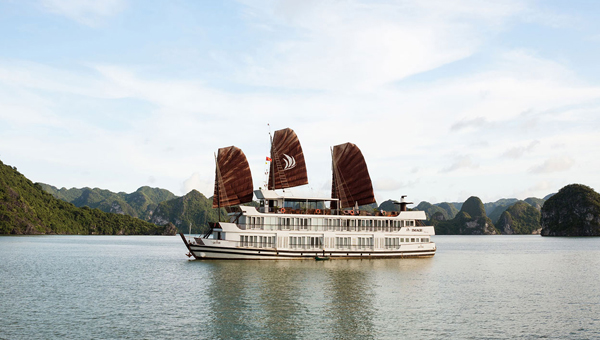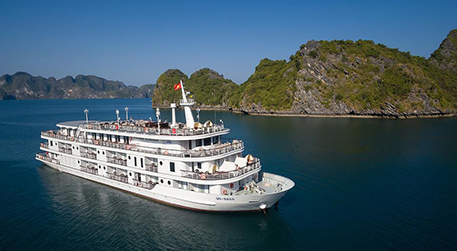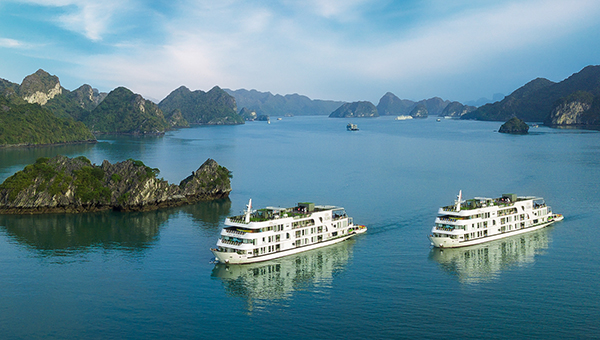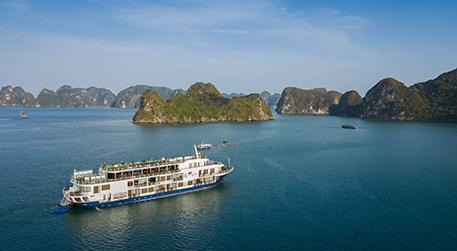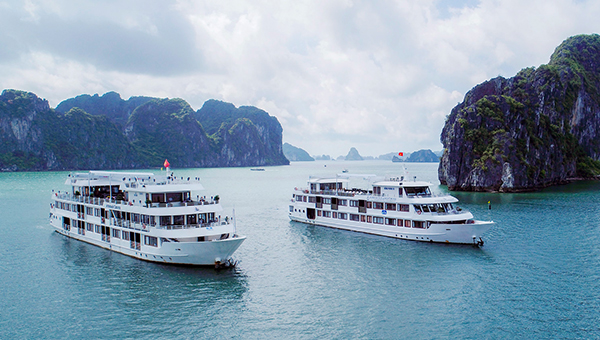
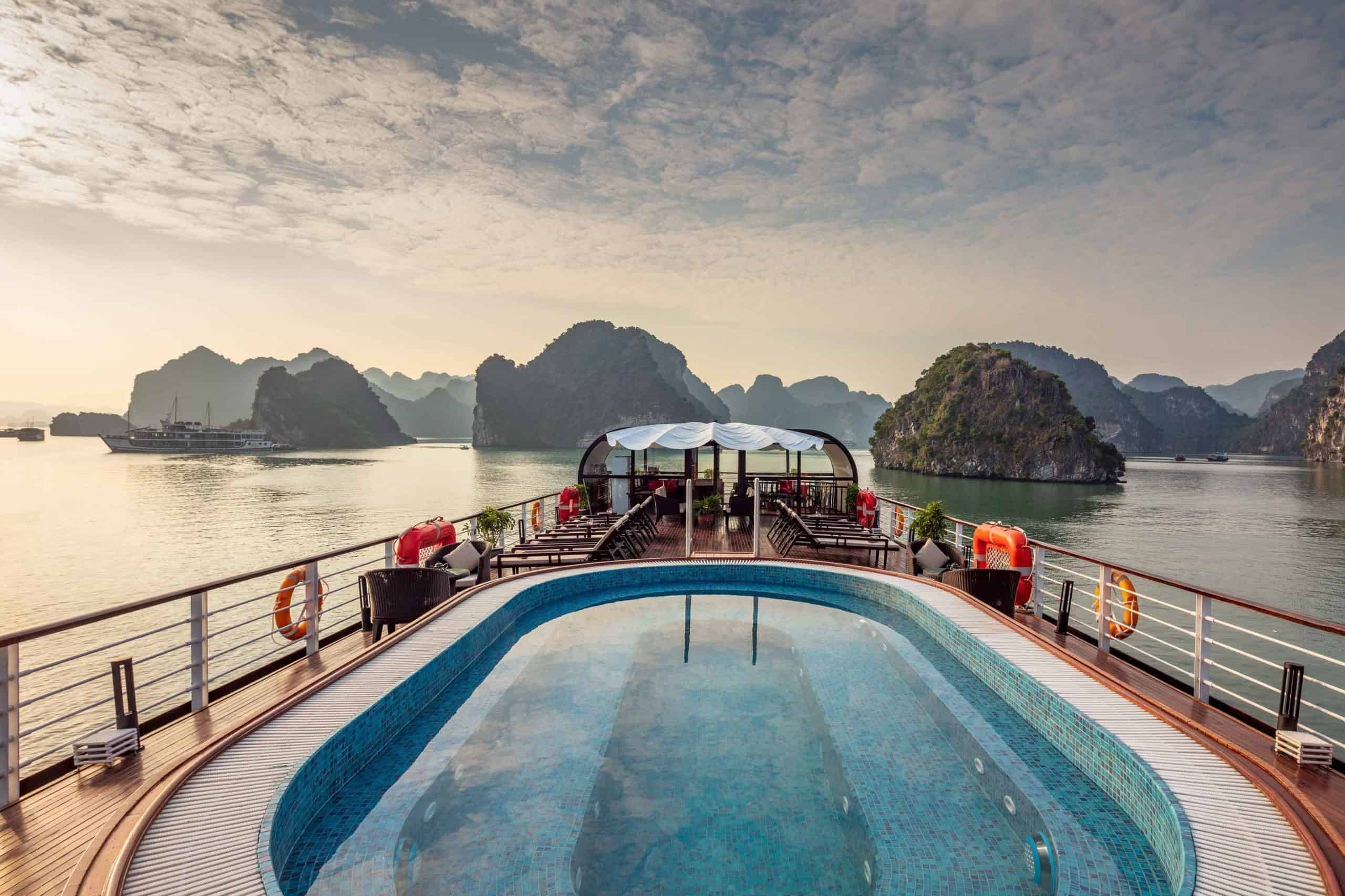
Halong Bay has recently solidified its place as a must-see travel destination in Southeast Asia. It is an undeniably captivating and charming UNESCO World Heritage site that offers a unique experience for travelers. But to explore Halong Bay like a seasoned visitor, you need to know some insider tips that will help you avoid common pitfalls and discover its true magic. Here are 20 insider tips for traveling to Halong Bay that will make your trip unforgettable.
As one of Vietnam's most iconic natural wonders, Halong Bay attracts millions of international and domestic visitors annually, eager to witness its thousands of limestone karsts and islands rising from emerald waters. While many still associate Vietnam with its historical narratives, Halong Bay stands as a testament to the country's breathtaking natural beauty and the allure of its tranquil waters.
The bay, a sprawling seascape dotted with unique geological formations, offers more than just pretty views; it's an experience, often best enjoyed via an overnight cruise. If you are planning to visit Halong Bay, it's a good idea to prepare yourself in advance to help the trip go more smoothly. To help make things a bit easier, we've prepared 20 tips to help introduce first-time visitors to Halong Bay. Don't book your cruise until you read the whole article below!
1. When is the best time to visit Halong Bay?
The first thing to consider is the season. Halong Bay has distinct weather patterns. For pleasant, dry weather, September to November and March to May are often considered ideal. This period generally offers clear skies and comfortable temperatures for sightseeing and activities like kayaking. However, October to April is the high season, meaning more tourists and potentially higher prices. Winter (December to February) can be cool and misty, which lends a magical, albeit sometimes chilly, atmosphere. Summer (June to August) is hotter, with a higher chance of rain and typhoons, which can sometimes lead to cruise cancellations, but it's also when you might find better deals.
2. Which language is spoken?
The official language is Vietnamese. However, in tourist-centric areas like Halong Bay, especially on cruise ships, at hotels, and in popular restaurants, English is widely spoken by staff. You'll generally be able to communicate your needs effectively. Learning a few basic Vietnamese phrases like "Xin chào" (Hello) and "Cảm ơn" (Thank you) is always appreciated by locals.
3. Do I need a special Visa for Halong Bay?
No, you do not need a special visa for Halong Bay itself. Halong Bay is part of Vietnam, so the standard Vietnamese visa requirements apply to your entry into the country. Ensure your Vietnam visa (if required for your nationality) is sorted before your trip. Most cruise operators will require your passport details for registration upon boarding.
4. What's the local currency?
The Vietnamese Dong (VND) is the official currency. While many cruises and larger establishments in Halong City may accept credit cards, it's advisable to have some VND cash on hand for smaller purchases, souvenirs at fishing villages, or tips. You can exchange currency in Hanoi or at banks in Halong City. ATMs are also available in town, but might be less accessible once you're on a remote cruise itinerary.
5. What is the Time Zone?
Halong Bay, like all of Vietnam, is in the Indochina Time Zone, which is UTC +7 hours. There is no daylight saving time observed.
6. How do I get to Halong Bay?
Most travelers reach Halong Bay from Hanoi. The journey is approximately 160-170 km.
Shuttle Bus/Limousine Van: This is the most popular option, often included in cruise packages. Pick-up is usually from hotels in Hanoi's Old Quarter, taking about 2.5-3.5 hours via the new expressway.
Private Car: Offers more flexibility and comfort, taking a similar amount of time.
Seaplane: For a quicker and more scenic (but pricier) option, a 45-minute seaplane flight from Hanoi to Tuan Chau Marina offers stunning aerial views of the bay.
Local Bus: A budget-friendly option from Hanoi's bus stations to Bai Chay station in Halong, but can be less convenient and more crowded.
Train: Generally not recommended due to inconvenient schedules and the need for further transfers from Halong train station to the port.
7. How do I choose the right Halong Bay cruise?
This is a crucial decision! Consider these factors:
Duration: Day trips are rushed. 2-Day, 1-Night (2D1N) cruises are popular and offer a good overview. 3-Day, 2-Night (3D2N) cruises allow for deeper exploration of quieter areas and more relaxation.
Route:Halong Bay (core): Iconic but can be crowded.Lan Ha Bay: South of Halong, often includes Cat Ba Island, generally quieter, similar landscapes.Bai Tu Long Bay: Northeast of Halong, pristine, less touristy, offering a more tranquil experience.
Budget/Style: Cruises range from budget-friendly (3-star) to mid-range/deluxe (4-star) and luxury (5-star and above) with varying levels of amenities, cabin quality, food, and service. You generally get what you pay for.
Boat Size/Type: Smaller boats (20-30 passengers) can offer a more intimate experience than larger ones (50-60+ passengers). Choose between modern yachts or traditional junk-style boats.
8. What activities can I expect on a cruise?
Most Halong Bay cruises offer a similar set of activities, though the quality and specific locations can vary:
Kayaking: A highlight for many, allowing you to paddle through lagoons, around karsts, and into sea caves.
Cave Exploration: Visiting famous caves like Sung Sot (Surprise) Cave, Thien Cung Cave, Dau Go Cave, or quieter ones like Thien Canh Son Cave or Luon Cave (often by bamboo boat).
Swimming & Beach Visits: Opportunities to swim at beaches like Titop Island or secluded spots in Lan Ha Bay.
Visiting Fishing Villages: Such as Cua Van or Vung Vieng, to see the local way of life. Some cruises visit pearl farms.
Onboard Activities: Tai Chi sessions at sunrise, Vietnamese cooking demonstrations, squid fishing in the evening, and simply relaxing on the sundeck.
9. What should I pack for a Halong Bay trip?
Pack light but smart for your cruise:
Passport and Visa Documents: Essential for check-in.
Small Backpack: For day excursions from the main boat.
Clothing: Light, breathable clothing for warm weather. Layers for cooler evenings or winter months. Swimwear is a must. Modest clothing if visiting temples or certain local areas.
Footwear: Sturdy shoes or trainers for cave visits and hiking (e.g., Titop Island), and flip-flops or sandals for onboard and beaches.
Sun Protection: Waterproof sunscreen, sunglasses, and a hat.
Insect Repellent: Especially for evenings or visits to greener areas.
Camera & Binoculars: To capture the stunning scenery.
Personal Toiletries: While cruises provide basics, you might prefer your own.
Reusable Water Bottle: To stay hydrated and reduce plastic waste.Cash: For drinks, souvenirs, and tips.
10. What's the food like on Halong Bay cruises?
Meals are generally included in overnight cruise packages.1 Expect a focus on fresh seafood, which Halong Bay is famous for. Many cruises also offer a variety of Vietnamese and international dishes to cater to different palates. Vegetarian, vegan, and other dietary requirements can usually be accommodated if you inform the cruise operator in advance. Luxury cruises often boast gourmet dining experiences.2
11. Can I drink the tap water?
No, do not drink tap water in Vietnam, including on cruise ships. Bottled water is typically provided in your cabin and during meals. It's always safer to stick to bottled or boiled water.
12. Is bargaining common in Halong Bay?
While bargaining is common in many Vietnamese markets, it's less prevalent for services on organized cruises. Prices for drinks or optional services onboard are usually fixed. You might have an opportunity to bargain if purchasing souvenirs directly from vendors at floating villages or local markets if your itinerary includes such stops. Always be polite and respectful if you choose to haggle.
13. What about Wi-Fi and connectivity?
Most Halong Bay cruises advertise onboard Wi-Fi. However, be prepared for the signal to be intermittent or slow, especially as you cruise further out among the karsts where reception can be poor. It's good for basic communication but might not be reliable for heavy data usage or streaming.
14. Is Halong Bay safe? Are there scams to watch out for?
Halong Bay is generally safe for tourists. The main concerns are petty theft (less common on reputable cruises but always be mindful of belongings) and ensuring you book with a reputable cruise operator to avoid scams.
Low-Quality Services: Some budget operators may not deliver what's promised (e.g., boat condition, food quality).
Extra Charges: Clarify what's included in your package to avoid unexpected fees.
Booking: Book through trusted agencies like Asia Travel and Leisure or directly with well-reviewed cruise lines. Be wary of deals that seem too good to be true. Check reviews on platforms like TripAdvisor.
15. What about environmental responsibility?
Halong Bay faces environmental challenges due to its popularity. Many reputable cruise operators are now focusing on sustainable tourism practices, such as reducing plastic waste and proper waste management. As a visitor, you can contribute by:
- Not littering and disposing of waste responsibly.Using reusable water bottles.
- Choosing eco-conscious cruise operators if possible (some have "Green Sails" initiatives).
- Respecting the natural environment during activities like kayaking and cave visits.
16. Halong Bay is crowded. How can I avoid the masses?
Yes, Halong Bay can get very crowded, especially the core heritage area. To find a more tranquil experience:
Choose alternative routes: Opt for cruises that go to Lan Ha Bay or Bai Tu Long Bay, which offer similar stunning landscapes but typically have fewer tourist boats.
Select smaller cruise ships: Boats with fewer cabins (e.g., 20-30 passengers) often provide a more intimate experience.
Travel during the shoulder or off-peak seasons: March-May or September-October can be less crowded than the peak winter months.
Book longer itineraries: 3D2N cruises often venture further into less-visited parts of the bays.
17. What happens if my cruise is canceled due to bad weather?
Cruise cancellations can happen, particularly during the summer months (June-August) due to storms or typhoons. The Halong Bay Port Authority makes the final decision on whether cruises can operate, often at short notice.
Check the cancellation policy of your cruise operator before booking. Reputable companies usually offer alternatives like rescheduling, a different tour, or a partial/full refund depending on when the cancellation occurs (before departure or mid-trip).
18. Is tipping expected on Halong Bay cruises?
Tipping is not mandatory in Vietnam, but it is increasingly common and appreciated for good service, especially in the tourism industry. On Halong Bay cruises, if you are satisfied with the service from the crew (guides, boat staff, restaurant servers), a tip at the end of your journey is a nice gesture. Some cruises may have a communal tip box, or you can tip individuals directly.
19. Should I book my Halong Bay cruise in advance?
Yes, it is highly recommended to book your Halong Bay cruise in advance, especially if you:
- Are traveling during peak season (October to April).
- Have a specific cruise line or cabin type in mind.Want to secure better deals (some operators offer early bird discounts).
While last-minute bookings might be possible, especially in the low season, you risk limited availability or not getting your preferred choice.
20. What's the difference between Halong Bay, Lan Ha Bay, and Bai Tu Long Bay?
Understanding the geography can help you choose:
Halong Bay (Core Heritage Site): The most famous and iconic area, known for its dense concentration of limestone karsts. It's stunning but also the busiest. Main attractions include Sung Sot Cave and Titop Island
.Lan Ha Bay: Located south of Halong Bay, geographically an extension of it. It's known for its pristine beauty, numerous small beaches, and being less crowded. Often includes visits to Cat Ba Island and activities like kayaking in areas like Dark & Bright Cave.
Bai Tu Long Bay: Situated to the northeast of Halong Bay, it offers a more tranquil, off-the-beaten-path experience with similar dramatic landscapes but fewer boats. Ideal for those seeking peace and quiet. Attractions include Thien Canh Son Cave and Vung Vieng fishing village.By keeping these 20 points in mind, you'll be well-prepared to make the most of your incredible journey to the majestic Halong Bay!
| Feature | Halong Bay (Core Area) | Lan Ha Bay | Bai Tu Long Bay |
|---|---|---|---|
| Location Relative to Halong Core | The original, central UNESCO World Heritage site | South of Halong Bay, often encompassing Cat Ba Island | Northeast of Halong Bay, known for its vast, untouched areas |
| Atmosphere & Tourist Density | Iconic, world-famous, lively; can be very crowded with many cruise ships | Significantly quieter and less crowded than Halong Bay core; offers a more pristine and tranquil experience | Generally the quietest and least touristy of the three; offers a serene, off-the-beaten-path feel |
| Key Associated Islands/Areas | Focus is on the main bay and its numerous islets like Titop Island | Often includes Cat Ba Island, with access to Viet Hai village (cycling) and Cat Ba National Park | Includes areas like Cong Do and Vung Vieng fishing village |
| Notable Caves (Examples) | Sung Sot (Surprise) Cave, Luon Cave, Thien Cung Cave, Trinh Nu Cave | Dark & Bright Cave, Trung Trang Cave (on Cat Ba Island) | Thien Canh Son Cave |
| Common Activities | Kayaking, swimming, visiting major caves and floating villages (e.g., Cua Van). Standard activities are common across all bays. | Kayaking, swimming, visiting caves, cycling on Cat Ba Island, exploring secluded beaches. Standard activities are common across all bays. | Kayaking, swimming, visiting caves and more remote fishing villages (e.g., Vung Vieng). Standard activities are common across all bays. |
| Best Suited For | Travelers wanting to see the world-renowned iconic Halong Bay, don't mind crowds, and prefer a wide range of cruise options and activities | Travelers seeking landscapes similar to Halong Bay but with fewer tourists, often interested in combining with Cat Ba Island's activities | Travelers prioritizing tranquility, pristine nature, and an off-the-beaten-path experience with the fewest tourist boats |
| Overall Landscape | Thousands of towering limestone karsts and islets rising from emerald waters; a UNESCO World Heritage site | Similar stunning limestone karst landscapes, often described as equally beautiful to Halong Bay | Similar stunning limestone karst landscapes, often described as equally beautiful and more untouched than Halong Bay |
 from
from